Feasibility → design → HOA → DSD permit → build → final
ADU Design-Build in Chula Vista, CA: The Full Process
Here is what happens between "we want a unit out back" and a final inspection in Chula Vista, in the order it happens. It covers the City vs County question, the City Standard ADU Plans, HOA review on the east side, how Development Services takes submittals by email, and what the state's 60-day deadline really covers.
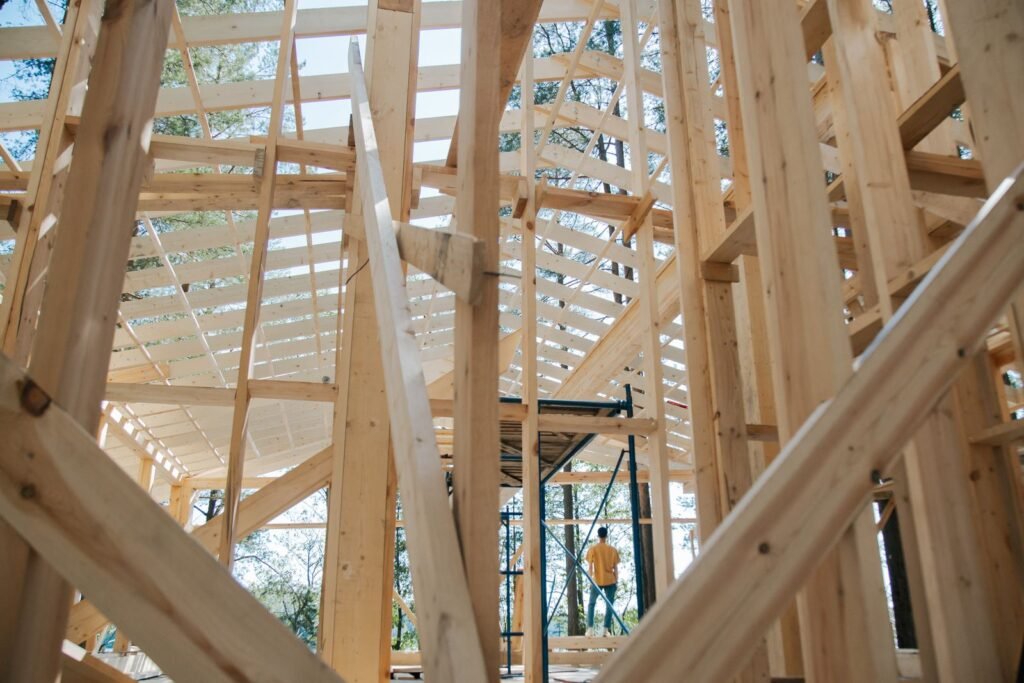 Interior wood framing
Short answer
In design-build, one contractor carries your ADU from the first lot check through drawings, the Chula Vista building permit, construction and final inspection. The order is feasibility, design (custom or a City Standard ADU Plan), HOA review if you have one, submittal to Development Services, construction, then final. Once the City deems the application complete it has 60 days to decide. The City publishes no review turnaround times; SnapADU, which drew the City Standard Plans, reports roughly four to five months of permitting in Chula Vista. A licensed San Diego general contractor does the work for requests from this site.
How a Chula Vista ADU moves from idea to permit
Two forks decide the route. The first comes before anything is drawn: is the parcel inside the City of Chula Vista or in unincorporated San Diego County? The second comes after design: does an HOA have to sign off? A Terra Nova lot with no association and a San Miguel Ranch lot with a master association can end up with the same unit on very different calendars.
Each stage, start to finish
-
Feasibility: City or County, water, HOA, CFD
The first job is to find out who has authority over the lot. A Chula Vista or Bonita mailing address doesn't settle it. Bonita and other unincorporated pockets go to San Diego County Planning & Development Services under County Zoning Ordinance section 6156, while part of Bonita-Sunnyside was annexed and is City land. A County Property Summary Report, or the tax-rate area on your property tax bill, answers it.
Next comes the water agency. West of I-805 the supplier is usually Sweetwater Authority, and on the east side it is usually Otay Water District, but the bill is the real test. Sweetwater requires an application when an ADU is added, and if the unit gets its own meter, the San Diego County Water Authority capacity charge for a meter under 1 inch is $6,683 in 2026 and $5,617 in 2027, on top of the local agency's own fees.
Then the paperwork that comes with master-planned homes. If there's an HOA, its CC&Rs and architectural rules get read now. If the tax bill shows a community facilities district, the rate method gets checked too: older Eastlake and Otay Ranch maintenance CFDs tax living square footage taken from building permits, so an ADU may raise the special tax, while the newer CFD 16M charges a flat $50 per ADU a year at FY23/24 rates.
The site itself rounds this out: distance to transit for parking and height, where the sewer lateral leaves the house, panel capacity, slope, and the fire hazard zone in CVMapper. The City's free "Build for Chula Vista" tool, launched in July 2023, gives a quick first read on what a parcel allows.
The first few weeks -
Design: a custom plan or a City Standard ADU Plan
For a detached unit you have a real choice. The City's Standard ADU Plans, drawn by SnapADU under a City program, come in five sizes (498, 748, 749, 999 and 1,199 sq ft) with a flipped version of each, for 12 sets in all. Building one cuts the City permit fee to $3,951 from $4,963 for a custom detached ADU, and it removes most of the drawing work.
A standard plan doesn't mean zero design. The City's guide lists what the owner still supplies: a consultant's Title 24 energy calcs, truss calcs stamped up front (deferral isn't allowed), and the soils, stormwater (SWQMP) and construction waste forms. You also sign a Hold Harmless Agreement and an Affidavit, and someone has to draw the site plan and the utility routes for your lot.
Custom design is the only route for garage conversions, attached ADUs and JADUs, and it's the better fit when the yard is narrow, sloped or oddly shaped. On the east side, where many back yards are small, a custom layout often beats forcing a standard footprint into the space. Size choices matter here too: under 750 sq ft there are no impact fees, and at 500 sq ft or less there are no school fees.
Shorter with a standard plan -
HOA review under Civil Code 4765
Eastlake, Otay Ranch, Rolling Hills Ranch and San Miguel Ranch all have community associations, and some Eastlake neighborhoods add a sub-association on top. Under Civil Code 4751, an HOA in a planned development can't ban an ADU or JADU or restrict one so much that it can't be built, but it can apply reasonable design rules.
Civil Code 4765 sets how the review works. The procedure has to be in the governing documents with a maximum response time, decisions must be in writing and made in good faith, and a denial has to state why and spell out how to request reconsideration. We found no Chula Vista association that publishes ADU-specific guidelines, so expect your HOA to apply its general architectural standards. Get the HOA's written approval before construction starts.
Follows the HOA's stated response time -
Submittal to Development Services
Chula Vista takes new submittals by email. The plan set and forms go as PDFs to the Development Services intake address (dsd@chulavistaca.gov) with "New submittal" in the subject line. Staff run a completeness check, you pay the plan check fees online in Accela Citizen Access, and the project gets a record number. If the City asks for printed sets, they go to the drop-off bin at Building B. Formal review follows, corrections go back and forth by email, and the permit itself is issued by email.
The state clock works like this. The City has 15 business days to decide whether the application is complete, and once it is, 60 days to approve or deny it (Gov Code 66317, repeated in CVMC 19.58.022). The clock doesn't start on the day you hit send. School fees are paid directly to each district before issuance: Chula Vista Elementary at $2.37 per sq ft through its Facilitron portal, and Sweetwater Union at $3.01 per sq ft by check, cashier's check or money order, both only on units over 500 sq ft.
60 days after the City deems it complete -
Construction and City inspections
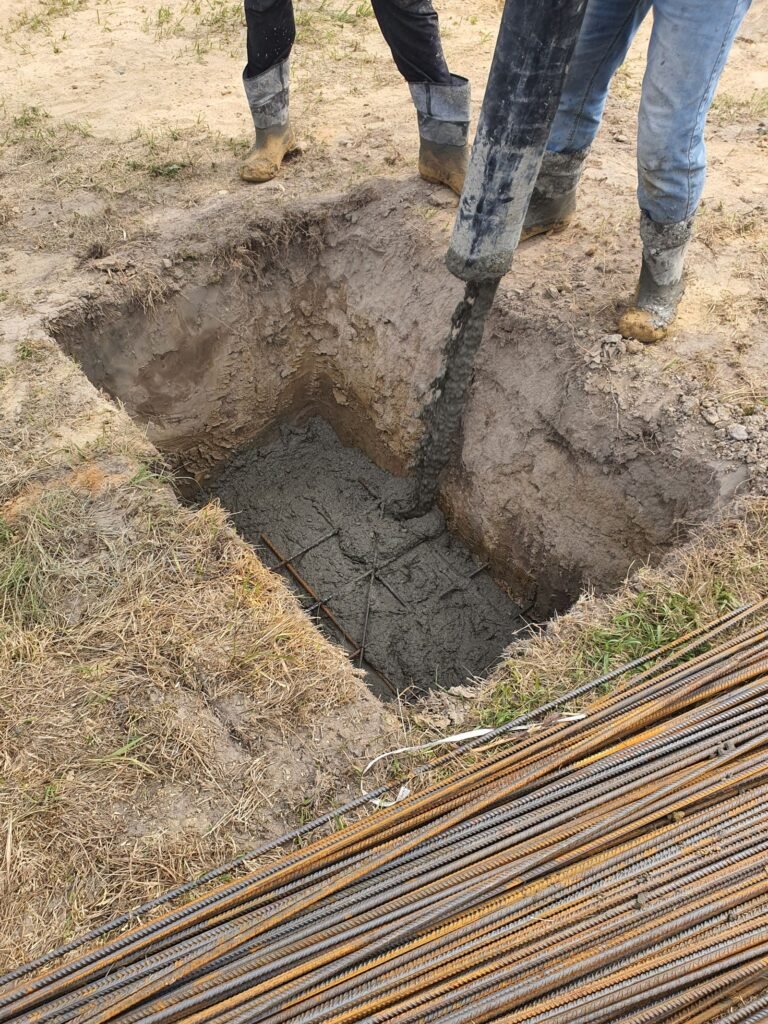
A detached unit starts with layout, trenching and footings, then framing and roof, rough-in for plumbing, wiring and HVAC, insulation, drywall and finish work, each stage signed off by a City inspector before the next. A garage conversion skips most of that structure but adds a framed wall where the door was, slab and moisture work, and upgrades to the shell. Fire sprinklers are needed only where the house itself must have them. In a higher fire hazard zone, the materials the code calls for go on during this stage.
Get the schedule in writing -
Final inspection and utilities
Passing final closes out the permit, and only then can anyone move in or sign a lease. SDG&E service, any new water meter from Sweetwater or Otay, and the sewer connection are coordinated so they finish together. A new unit with its own sewer demand owes the City's sewer capacity charge of $4,793 per equivalent dwelling unit. The City hasn't published how many units an ADU counts as, so the calculator assumes the 0.79 factor used for apartments.
The last weeks
Chula Vista ADU timeline: what's published and what isn't
| Stage | What sets the pace | Figure we can source |
|---|---|---|
| Feasibility | City vs County check, HOA documents, survey, utility routes | None published |
| Design | Custom drawings vs a City Standard ADU Plan | None published |
| HOA review | The association's written procedure | The response time in your governing documents |
| Completeness check | Whether every form and report is in the package | 15 business days, set by state law |
| City decision | Plan check and correction rounds | 60 days after complete (state law, CVMC) |
| Overall permitting | All of the above | About 4–5 months (SnapADU's report) |
| Construction | Unit type, site work, inspections | Your builder's written schedule |
| Final and utilities | SDG&E and water agency scheduling | None published |
The 15-day and 60-day deadlines come from Gov Code 66317 as summarized in the HCD ADU Handbook and CVMC 19.58.022(C)(14). The four to five months is a builder's report, not a City figure. We publish no construction duration because we have no Chula Vista source we'd stand behind.
Design-build vs a separate architect and builder
Either route can get you a permitted ADU. What differs is when you learn the construction price and who answers for the gap between drawings and reality.
| Design-build | Designer, then a separate GC | |
|---|---|---|
| Contracts | One agreement, one point of contact | A design contract now, a building contract after bids |
| When you learn the price | While the design is still changeable | After plans are done and out to bid |
| Design cost | Often a separate phase or folded into the job | Paid up front; SnapADU's own price list shows drawings from $2,300 (standard) to $8,500 (full custom) |
| Competing bids | You compare firms before you start | Several GCs can bid identical plans |
| City corrections | Handled by the team that will build | Handled by the designer, with builder input if any |
| Main risk | Less price competition at the end | Plans that price out over budget and get redrawn |
Design-build pays off most where the site sets the cost: a canyon-edge lot in Rancho del Rey, a long sewer run to a back corner, a CFD whose formula changes with square footage, or an HOA that will review materials. If you've chosen a City Standard Plan and want several contractors to bid it as drawn, the separate route can work well, since the plans already exist.
Who builds ADUs in Chula Vista, and how to vet any of them
You'll see three kinds of firm: ADU specialists working countywide, general contractors who build ADUs alongside remodels, and prefab or panelized companies that still need a local crew for the foundation and utilities. Whichever you call, run the same checks.
- Look up the license. Search the Contractors State License Board site by license number and confirm it's active and that the name matches the one on the contract.
- Ask for workers' compensation proof. A contractor with employees on your site should carry it. Ask for the certificate, and check that the CSLB record shows coverage on file.
- Insist on a written, itemized bid. Design, engineering, Title 24, survey and soils, City permit, school fees, impact fees if you're at 750 sq ft or more, trenching, meters, finishes and contingency should each be a line.
- Ask what the price assumes about your lot. Gravity sewer or an ejector pump, panel capacity, slope, and whether it plans for a shared or separate water meter.
- Ask about the local paperwork. Have they submitted to Chula Vista DSD by email and paid in Accela? Have they built from a City Standard Plan? Have they been through an Eastlake or Otay Ranch HOA review?
- Tie payments to progress. Draws should follow finished stages and passed inspections, not dates on a calendar.
Finding an affordable ADU builder in Chula Vista
A common complaint from South Bay owners goes like this: every detached ADU quote comes back above $300k, so how do you find a cheaper builder? The honest answer is that construction costs don't drop much from one licensed builder to the next. SnapADU, Lars Remodeling and Better Place all publish county-wide figures in the same general band. The savings come from what you build and how you permit it.
- Convert before you build new. The calculator puts a 400 sq ft garage conversion around $145k–$153k and a 300 sq ft JADU around $100k, against about $260k for a 500 sq ft detached unit. Neither one pays impact fees, and a JADU pays no school fee.
- Start from a City Standard Plan. At 500 sq ft the calculator's mid drops from about $260k to about $252k, from the lower permit fee and less design work.
- Stay under 750 sq ft. A 760 sq ft detached unit runs about $23k more than a 740 sq ft one on the west side and about $33k more east of I-805.
- Look at the City's ADU Loan Program. It's a deferred, 3% simple-interest loan from Housing & Homeless Services: up to $100,000 when you build an ADU, $50,000 for a JADU. Keep the unit rented under the City's regulatory agreement for a decade and a half and you don't repay it. Only owner-occupants of at least a year with no other real estate and a moderate income or less can apply. Ask whether it's taking applications.
What not to do is take the lowest number without reading it. A bid that leaves out the school fee, the sewer capacity charge or the meter isn't cheaper, it's incomplete.
What a design-build ADU includes here
- The Fit Check: City or County, water agency, HOA, CFD, transit distance, fire zone and utility routes
- Survey, plus soils coordination where the size or site needs it (the City also has a form to ask for a soils report waiver)
- Custom drawings, or a City Standard ADU Plan with the site plan, Title 24 and truss calcs it still requires
- The HOA application package where one applies
- The DSD email submittal, Accela fee payments and answers to every correction
- Construction by a licensed San Diego general contractor, through final inspection
- Coordination with SDG&E, Sweetwater Authority or Otay Water District, and City sewer
Fees appear as their own lines so nothing is hidden inside construction. The Chula Vista ADU cost calculator shows them for your type and size, and the Eastlake and Otay Ranch guide goes deeper on HOAs and CFDs.
In pictures
From drawings to a framed unit
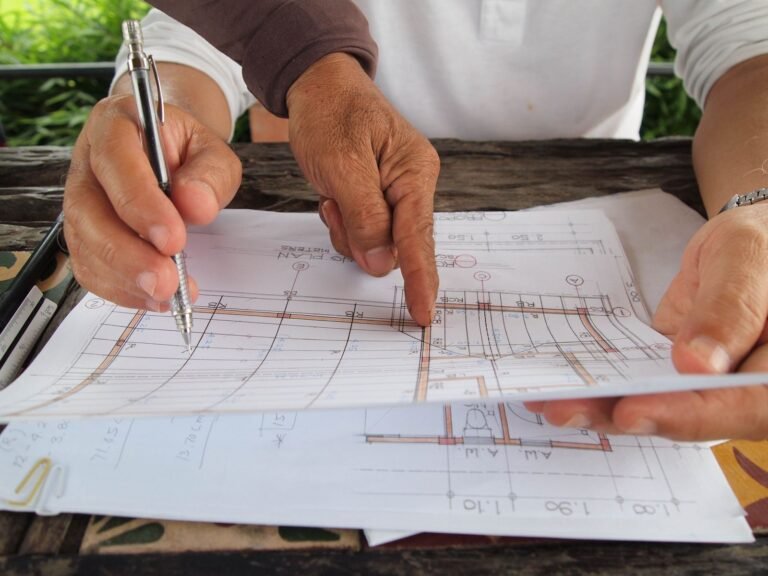
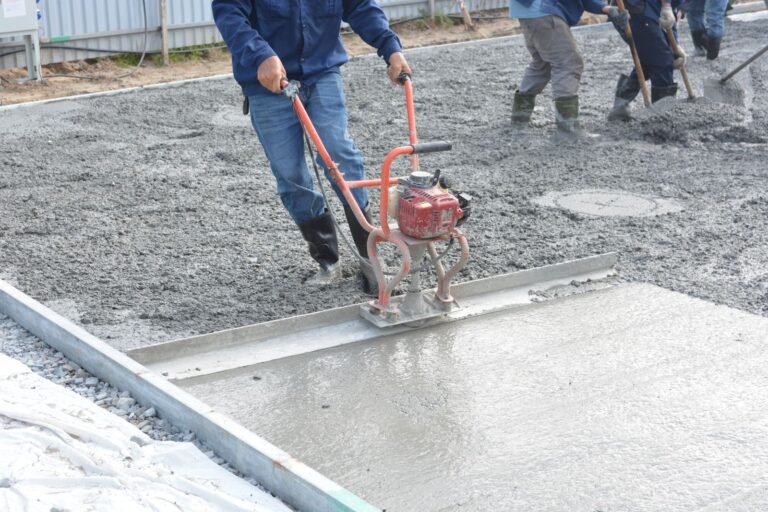
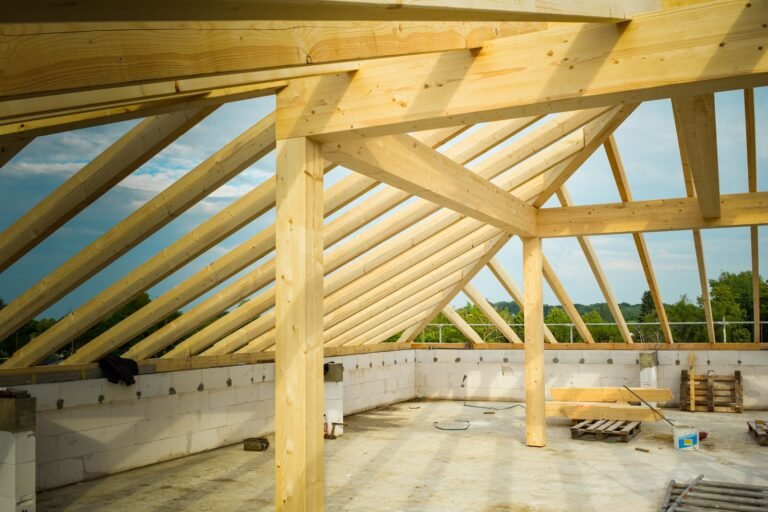
These are licensed stock photos (Pexels) chosen to show the kind of space or place described. They are not photographs of our contractor's completed projects.
Process questions from Chula Vista owners
How long does a Chula Vista ADU permit take?
There are no City-published review times. In SnapADU's experience, permitting here runs roughly four to five months. The hard limit is the state's: 15 business days to call the application complete, then 60 days to decide. A complete first submittal is the biggest time saver you control.
Can I use a City Standard ADU Plan with any builder?
Yes. The plans are offered to Chula Vista owners, and any licensed contractor can site one on your lot and submit it. You sign the City's Hold Harmless Agreement and Affidavit, and you still need Title 24 calcs, stamped truss calcs and a site plan. They cover detached units only.
Does my HOA review before or after the City?
It runs on its own track. Many owners submit to the HOA first so that any design changes are made before City plan check. Civil Code 4765 requires written decisions within the response time in your governing documents. The east-side guide covers Eastlake and Otay Ranch associations.
Do I need to go to City offices at any point?
Usually not for the submittal. Plans go to DSD by email, fees are paid in Accela Citizen Access, and the permit is issued by email. Printed sets go to the Building B drop-off bin only if the City asks for them. Sweetwater Union's school fee is paid by check or money order.
My lot is in Bonita. Does this process still apply?
The stages are similar, but the agency changes. County PDS issues the permit under its own ADU rules and plans, and a lot on septic needs County environmental health approval of the septic layout before the building permit. The FAQ explains how to tell City land from County land.
Sources
- Chula Vista Municipal Code 19.58.022, Accessory dwelling units
- City of Chula Vista, Project submittal process
- City of Chula Vista, Electronic permits (Accela Citizen Access)
- City of Chula Vista, City Standard ADU Plans guide and checklist; Affidavit
- City of Chula Vista, Fee Bulletin 10-400 (Sept 2024); Fee Bulletin 12-100, sewer (Oct 2024)
- City of Chula Vista, Build for Chula Vista launch (July 2023)
- City of Chula Vista, ADU Loan Program
- Civil Code 4765, architectural review; Civil Code 4751, ADUs in planned developments
- City of Chula Vista, Resolution 2024-043, CFD 16M rate method; CFD 07M rate method
- San Diego County Water Authority, Capacity charges; Sweetwater Authority application guide
- Chula Vista Elementary SD, Developer fees; Sweetwater Union HSD, Developer fees
- San Diego County PDS, ADUs; County DEHQ, ADU septic FAQ
- California HCD, ADU Handbook (Mar 2026)
- SnapADU, Chula Vista ADU guide; SnapADU, ADU costs (Oct 2026)
- Contractors State License Board, license lookup
Last checked November 7, 2026. Durations are published or reported figures, not a promise; your schedule follows your plans and the City's review.
Next step
Get your free Chula Vista ADU Fit Check
Three short steps, about a minute. A licensed San Diego County general contractor reviews what you send, checks your lot against the City's ADU rules, your HOA and your water district, and replies with a realistic range and the questions that would change it.
- Which ADU types your lot allows, and the size and height limits that apply
- Whether your HOA, a CFD or your water district changes the plan
- A line-by-line range, including fees and utility runs, before you pay for drawings
- No obligation and no pressure follow-up